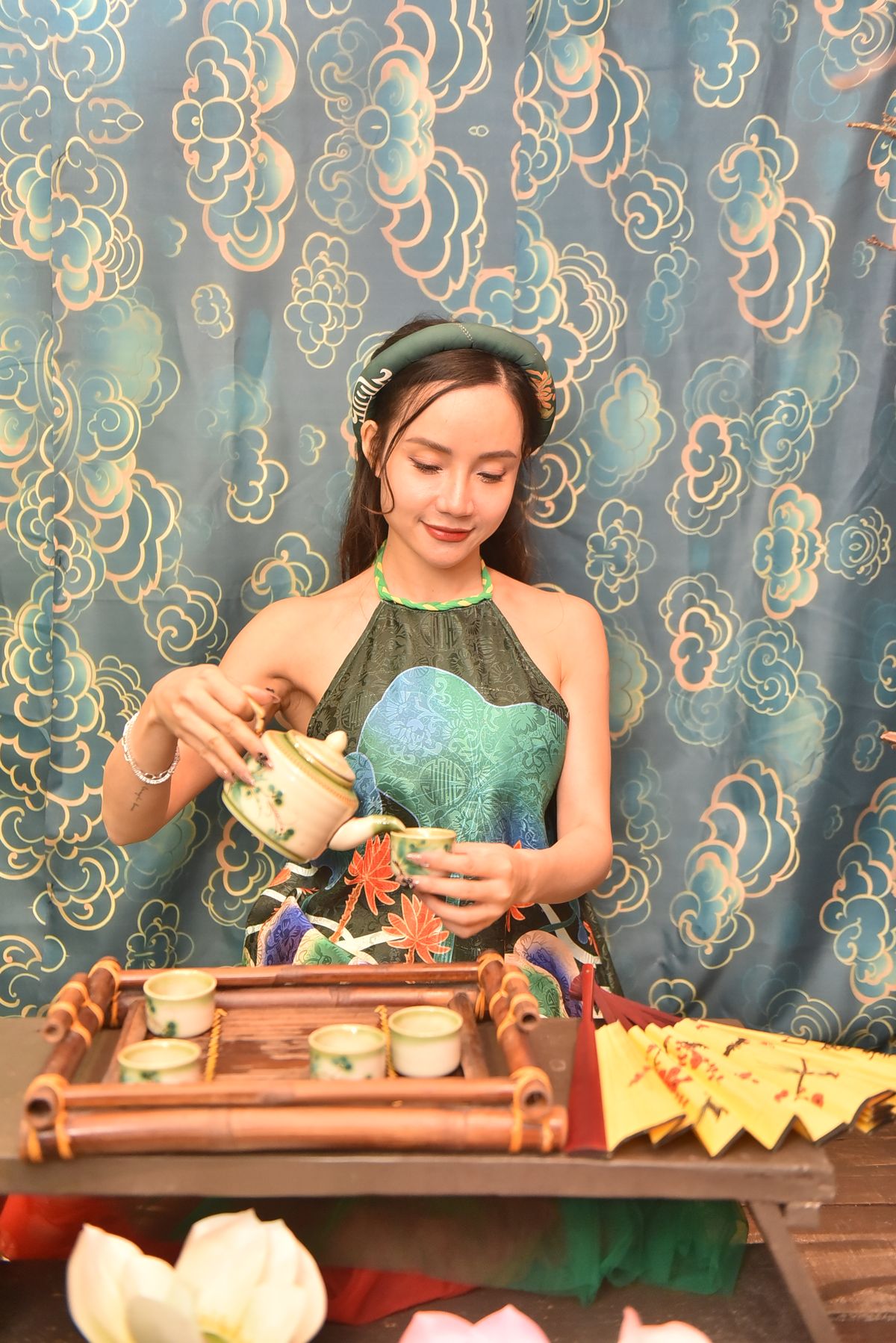
Every office in China has a tea setup. Mine has 4 types. When a client visits, I make tea first. Not small talk. Not a handshake. Tea. It says: we are not in a hurry.
I once had a 3-hour meeting. We drank tea for the first hour before business. My Western colleague was frustrated. The supplier was testing our patience. We passed. Never rush the tea.
Here's what I've learned after 15 years of navigating China's business culture—and how you can handle it like a pro, whether you're booking through Trip.com or catching a flight from LAX to Shanghai.
## Why Tea Matters
In China, tea is the opening move. It's not about quenching thirst—it's about building trust. When a host pours you tea, they're saying, "I respect you enough to slow down." That first hour of sipping? It's a subtle test: Can you handle the pace? Are you in a rush to close a deal, or are you here for a relationship?
I remember my first time. I was with a colleague from London, and we had a 9 AM meeting with a factory manager in Shenzhen. We sat down, and he started brewing oolong. My colleague kept checking his phone. The manager noticed. He poured slower. By the time we got to business, my colleague was ready to leave. We lost that deal. Lesson learned.
## What to Expect
- **The setup**: Every office has a tea tray, usually with a kettle and multiple canisters. Don't be surprised if they offer you 3-4 types to choose from.
- **The ritual**: You'll watch them rinse the cups, warm the pot, and pour with precision. This isn't a coffee run—it's a ceremony.
- **The pace**: Meetings can last 2-3 hours, with the first 30-60 minutes dedicated entirely to tea. Use this time to chat about family, travel, or your flight over (Google Flights is great for checking routes like JFK to Beijing).
## Tips for First-Time Visitors
1. **Don't rush**: If you're in a hurry, reschedule. Rushing the tea is like skipping the appetizer at a Michelin-starred restaurant.
2. **Accept with both hands**: When they hand you a cup, take it with both hands—it shows respect. A simple "xiè xiè" (thank you) goes a long way.
3. **Sip, don't gulp**: Tea is meant to be savored. Small sips. And if you don't like the flavor, just sip anyway—it's about the gesture.
4. **Watch for cues**: When the host starts talking about pricing or schedules, that's your signal to shift gears. Until then, enjoy the tea.
## Real Talk: The Cost
Tea setups vary. A basic one from a local shop might cost ¥200-500 (about $30-70 USD). My office has a mid-range setup with a Yixing clay pot—¥1,200 ($170). But it's not about the price. It's about the message: "I'm investing in this relationship."
If you're booking a trip to China, expect this in any business meeting. Book your flights on Trip.com or Google Flights, and plan for extra time. A 2 PM meeting might not end until 5 PM. And that's okay.
## The Takeaway
I've seen too many Westerners walk into a meeting, shake hands, and launch into a PowerPoint. That's a mistake. In China, business starts with tea. It's a test, a tradition, and a trust-builder all in one. Pass the test, and you'll have partners for life.
So next time you're in Shanghai, Beijing, or Shenzhen, take a breath. Let them pour. And remember: never rush the tea.