WanderPeng
Back to Blog

china-travel-tips

22 posts · Curated China travel tips

All Posts · 22

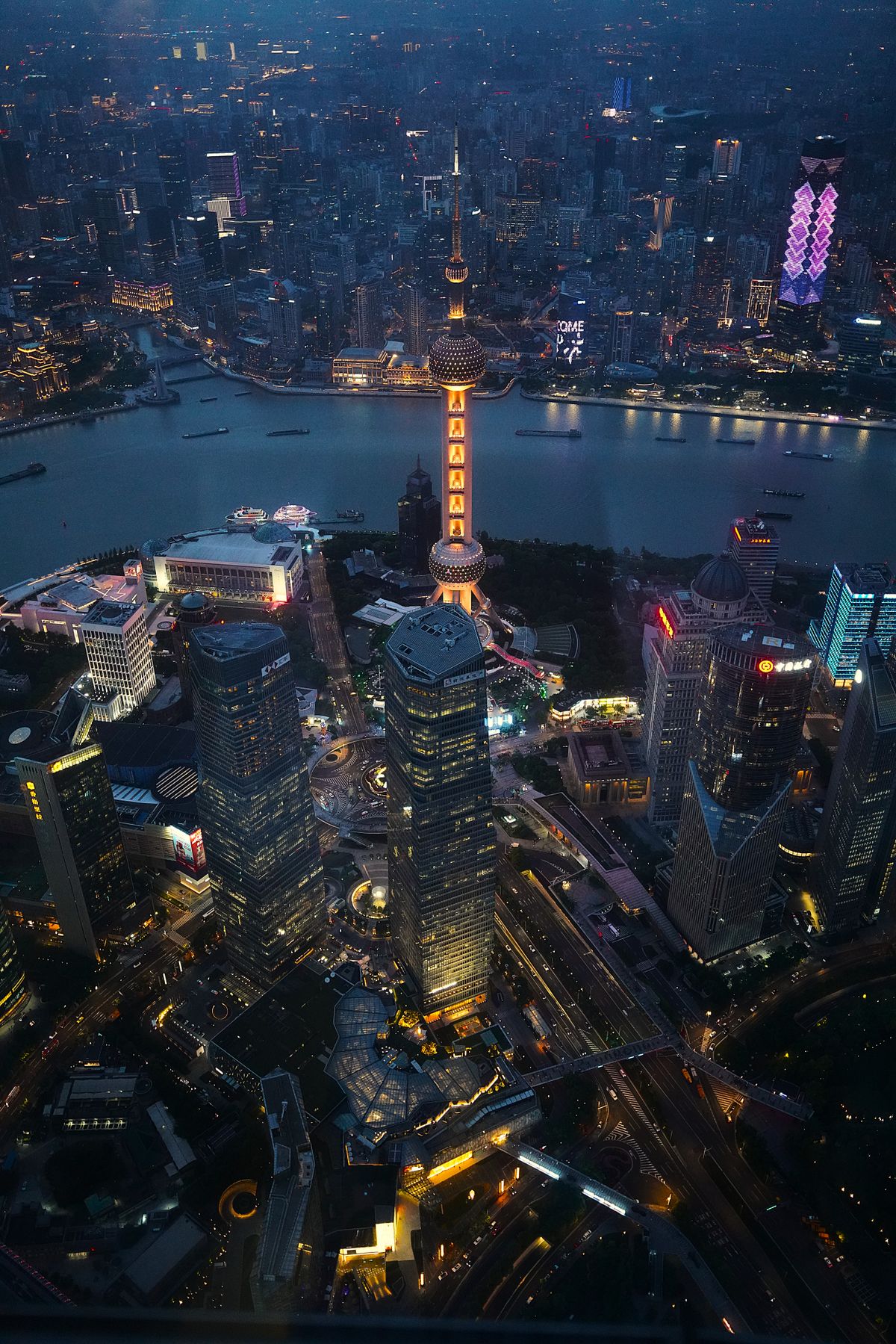
You’ve been thinking about visiting China. I get it. You’ve read the blogs, watched the videos, saved the itineraries on Trip.com, and maybe even pinned a few spots on Google Maps. But you still have questions. Is it safe? Will the food be okay? Can I really do this? I’ve spent 15 years answering these exact questions for real people. Solo travelers, families like mine (I’m a mom of two), backpackers on a shoestring, and luxury seekers looking for the best. I’ll tell you honestly if China is right for you and help you plan a trip that changes how you see the world. ## Is China Safe for First-Time Visitors? Short answer: yes. I’ve traveled across China with my kids, alone, and with friends. The biggest risks are petty theft in crowded spots (same as any big city) and getting lost in translation. Use Booking.com for hotels with good reviews, and always carry a hotel card with Chinese characters. For flights, Google Flights is your friend—search routes like New York (JFK) to Beijing (PEK) or London (LHR) to Shanghai (PVG). Prices range from $500–$1,200 USD (roughly ¥3,500–¥8,500 RMB) round-trip. ## What About the Food? Honestly, Chinese food is incredible—but it’s not all fried rice and kung pao. Street food in Xi’an? Life-changing. Dim sum in Hong Kong? A must. But if you’re picky, stick to hotel buffets or chain restaurants. I always tell first-timers: try everything once, but keep a snack bar in your bag. Most places accept credit cards, but carry some cash (¥100–¥200 RMB) for small vendors. ## Can I Really Do This? Yes. The biggest hurdle is the visa—apply at least a month ahead. Book your first few nights on Airbnb for a local feel, or use Trip.com for guided tours. Start with a classic route: Beijing (Great Wall, Forbidden City), Xi’an (Terracotta Warriors), and Shanghai (The Bund, modern skyline). That’s 10–14 days, easily doable. For flights, check Kayak or Skyscanner for deals. ## What About the Language? You’ll survive with Google Translate and pointing. But learn a few phrases: “xièxiè” (thank you), “qǐng” (please), and “duōshǎo qián?” (how much?). Download the app Pleco for offline use. Most signs in airports and major hotels are in English. ## The Honest Truth China isn’t a vacation—it’s an adventure. The internet is different (VPNs like ExpressVPN work, but check before you go). The crowds can be intense. But the history, the food, the landscapes—it’s worth it. I’ve seen solo travelers find their footing and families create memories that last a lifetime. So yes, you can do this. And I’m here to help every step of the way. > *“Travel changes you. As you move through this life and this world, you change things a little, you leave marks. But in the end, travel is about the journey, not the destination.”* — Not sure who said it, but it fits. Ready to start? Let’s plan your first trip. Reach out anytime—I’m just a message away.
Jul 140

\"When is the best time to visit China?\" I get this question all the time, and honestly, my answer always starts the same way: it depends. After 15 years of exploring this country with my two kids, I've learned that there's no one-size-fits-all season—just the perfect time for what you want to experience.\n\n## Spring: A Burst of Color in the South\nSpring is magical if you're heading south. Think cherry blossoms in Nanjing or the plum blossoms at Meihua Mountain—absolutely breathtaking. The weather is mild, usually between 15-25°C (59-77°F), making it perfect for wandering through ancient gardens or hiking the rice terraces in Guilin. Just keep in mind that spring can be rainy, especially in April. Pack a light jacket and an umbrella, and you'll be fine.\n\n## Summer: Hot, Wet, and Surprisingly Wonderful\nYes, summer in China is hot and humid—think 30-35°C (86-95°F) in cities like Beijing and Shanghai. But don't let that scare you off. This is when Tibet and Qinghai are at their absolute best, with clear skies and green pastures. Plus, summer is watermelon season! Grab a slice from a street vendor—it's the ultimate refreshment. For a beach escape, head to Hainan Island or Qingdao. Just book your flights early on Trip.com or Google Flights because prices spike in July and August.\n\n## Autumn: My Absolute Favorite\nIf I had to pick one season, autumn wins hands down. September to November brings the clearest skies in Beijing—perfect for hiking the Great Wall without the summer haze. The rice terraces in Guilin turn golden, and the weather is comfortable, around 20-25°C (68-77°F). It's also the best time for food festivals, like the Mid-Autumn Festival when mooncakes are everywhere. For first-timers, this is the sweet spot.\n\n## Winter: Embrace the Cold or Escape It\nWinter in China is a tale of two extremes. Harbin, in the northeast, drops to -30°C (-22°F), but the Ice and Snow Festival is a once-in-a-lifetime experience. My kids still talk about the giant ice castles. On the flip side, Yunnan's mild climate—think 10-15°C (50-59°F)—is perfect for exploring Lijiang or Dali without the crowds. And Hainan? It's beach weather all year round, with temperatures around 25°C (77°F). Flights to Sanya are affordable on Booking.com if you book a few weeks ahead.\n\n## The Bottom Line\nThere's no bad time to visit China—just the right time for your trip. Spring and autumn are ideal for most travelers, summer is for adventure seekers, and winter offers unique festivals or warm escapes. For first-time visitors, I'd recommend autumn for the best weather and fewer crowds. But honestly, every season has its magic. Just pick your adventure and go!

Jul 140

My Malaysian client learned two Chinese words on day 1: "Duo shao qian?" (How much?). Day 3 at Xi’an night market, he picked up a souvenir and said his two words with confidence. The vendor laughed, answered, and gave him a discount for trying. You don’t need Chinese to travel China. But learn 5 phrases and the country opens up. Chinese people light up when you try. ## Why These 5 Phrases Matter I’ve been taking families around China for 15 years, and I’ve seen it over and over: a simple "hello" in Mandarin turns a transaction into a conversation. Here are the 5 phrases I teach every first-time visitor: 1. **Nǐ hǎo (Hello)** – The universal icebreaker. Say it with a smile. 2. **Xiè xiè (Thank you)** – Essential for street food vendors, taxi drivers, and hotel staff. 3. **Duō shao qián? (How much?)** – Use this at markets like Xi’an Muslim Quarter or Shanghai’s Yuyuan Bazaar. Vendors will quote you in RMB (¥), and you can easily compare to USD (roughly $0.14 per ¥1). 4. **Wǒ bú yào là (I don’t want spicy)** – A lifesaver for Western palates. Most Sichuan restaurants will tone it down if you ask. 5. **Zài jiàn (Goodbye)** – Often met with a warm nod or a wave. ## Real-Life Magic Last spring, a family from the UK booked a trip through Trip.com and landed in Beijing. At the Silk Market, the dad tried "duō shao qián?" on a scarf stall. The seller beamed, gave him a 20% discount, and even threw in a free keychain. That’s the power of effort. ## Practical Tips - **Book flights** via Google Flights or Booking.com. Popular routes like London–Beijing or New York–Shanghai run daily on airlines like British Airways, United, or China Eastern. - **Use Airbnb** for apartments in cities like Chengdu or Guilin—great for families who want kitchen access. - **Download a translation app** like Google Translate or Pleco for backup, but try the phrases first. > **Peng’s Pro Tip:** Practice the tones out loud before your trip. Even a bad attempt is better than silence. Chinese people will appreciate your effort more than your accuracy. Start with these 5, and you’ll leave China with more than souvenirs—you’ll leave with stories. Ready to book? [Check flights on Trip.com](https://www.trip.com) or [find a family-friendly Airbnb](https://www.airbnb.com).

Jul 140

Most public restrooms in China have hot water. Not warm. Hot. A small thing that tells you something: the daily experience of ordinary people matters. I remember taking an Australian client around Beijing a few years back. We stopped at a highway rest area near the Great Wall—nothing fancy, just a basic pit stop with a convenience store and a bathroom. He came out of the restroom looking genuinely puzzled. “Back home,” he said, “even fancy restaurants have cold water. Here, a highway rest stop has heated taps. What does that say about priorities?” I think about this every time I wash my hands. And it’s not just rest stops. I’ve found hot water in public bathrooms at parks, metro stations in Shanghai, and even at a small-town bus depot in Yunnan. It’s become one of those little things I mentally check off whenever I travel elsewhere—like when I’m in the US and realize I’m freezing my hands under a tap at a Starbucks. For first-time visitors to China, this might sound like a weird thing to get excited about. But trust me, after a long day of walking through the Forbidden City or navigating a night market in Chengdu, washing your hands in properly hot water feels like a small luxury. It’s consistent, too—I’ve tested it in dozens of cities from Xi’an to Guilin. Of course, it’s not universal. Some older or rural facilities might still have cold-only taps, especially in more remote areas. But in most cities and popular tourist spots, you can count on it. And honestly, it’s one of those details that makes China feel surprisingly thoughtful. So next time you’re booking a trip—maybe through Trip.com or Google Flights—and you’re packing for Beijing or Shanghai, don’t stress about hand warmers. Just bring a good pair of shoes and maybe a small towel. The hot water? That’s already taken care of.

Jul 140

I took a client to a public hospital in Chengdu for a basic checkup last month. He’d been feeling off after a long flight from Sydney, and I figured we’d sort it out fast. Registration was 20 yuan (about $2.80). The doctor consultation was 30 yuan ($4.20). A blood test came to 50 yuan ($7). Total: 100 yuan — roughly $14 USD. He stared at the receipt like I’d handed him a winning lottery ticket. "This costs $800 in Australia," he said, shaking his head. And that’s the thing about Chinese public healthcare: it’s functional, efficient, and shockingly affordable. No frills, no long waits for basic stuff. We were in and out in under an hour. Now, I’ll be real with you — if you’re a first-time visitor and don’t speak Chinese, a public hospital can feel intimidating. The signage is mostly in Chinese, and the staff might not have strong English. That’s why, for major cities like Beijing, Shanghai, or Guangzhou, I always recommend international hospitals if you want English-speaking doctors. Places like **Beijing United Family Hospital** or **Shanghai East International Medical Center** are pricier (think $100–$200 for a consult) but offer a smoother experience for non-Mandarin speakers. Here’s a tip I give every client before they land: I prepare a small card with their hotel address written in Chinese, plus emergency numbers like 120 (ambulance) and 110 (police). I also include the address of the nearest international hospital. It fits in a wallet and saves so much stress. For routine stuff — a cold, a sprain, a checkup — public hospitals are totally fine. Just bring cash or have Alipay/WeChat Pay set up (though many now accept cards). If you’re booking ahead, platforms like **Trip.com** or **Booking.com** sometimes list recommended clinics. And for flights into Chengdu, you’ve got direct routes from London, Paris, Sydney, and Los Angeles — so getting here is easy. Bottom line: Don’t stress about healthcare in China. It works. And your wallet will thank you.

Jul 140

If you visit China and skip WeChat, you miss half the experience. Your tour has a group chat. The restaurant has a mini-program. The street artist has a QR code for tips. WeChat is your wallet, guide, appointment book, news feed, and connection to everyone. Clients who resisted installing it were sending stickers in the group chat by day 2. Download it before you arrive. Think of WeChat as the Swiss Army knife of apps—it’s like having Google Maps, WhatsApp, PayPal, and Airbnb all rolled into one. You’ll use it to pay for everything from a ¥5 ($0.70) street snack to a ¥500 ($70) hotel booking on Trip.com. Even the noodle shop down the alley has a QR code on the counter. I’ve seen travelers fumble with cash while locals just scan and go. Trust me, it’s smoother. Setting it up is easy, but do it before you leave home. You’ll need a friend to verify your account (I can help if you’re stuck—just ask in the comments). Once you’re in, link your credit card or a travel card like Revolut. Then you’re ready to join the tour group chat, book a restaurant via a mini-program, or even snag a last-minute flight on Google Flights. One client used it to order a taxi to the Great Wall and pay for his entry ticket—all without leaving the app. Your tour will likely have a group chat where the guide shares daily plans, weather updates, and insider tips. I’ve seen clients start as skeptics and end up trading sticker packs by the second day. It’s how you’ll stay connected, find the best dumpling spot, and get real-time advice from fellow travelers. Don’t skip it. Download WeChat now—your trip will thank you.

Jul 140

I traveled during Chinese New Year once. Once. 3 billion trips in 40 days. That's the scale of **Chunyun** — the Spring Festival travel rush. Trains sell out in minutes. Highways become parking lots. I tell every client: avoid Chunyun unless you are ready for the most intense travel of your life. But if you CAN handle it, you see China at its most real. I remember standing on a platform in Beijing West Station, surrounded by families hauling massive suitcases and bags of gifts. The energy was electric, chaotic, and oddly beautiful. Everyone was going home — to their hometowns, to their parents, to the one place in China that matters most during the holiday. > **Pro tip from a mom who learned the hard way:** Book everything 3 months ahead. I'm not kidding. Trains on [Trip.com](https://www.trip.com) sell out within minutes of release. Flights on [Google Flights](https://www.google.com/flights) and [Booking.com](https://www.booking.com) spike in price — a domestic flight from Shanghai to Beijing can jump from $100 (¥720) to $400 (¥2,880) overnight. **What to expect:** - **Trains:** High-speed rail is the backbone. A ticket from Beijing to Shanghai (about 4.5 hours) costs around $80 (¥575) in second class. But during Chunyun? Gone in 60 seconds. - **Flights:** International routes like New York JFK to Beijing or London Heathrow to Shanghai are packed. Book by October for January travel. - **Roads:** Driving? Forget it. The expressway from Guangzhou to Shenzhen becomes a 6-hour crawl. Take the train. **Is it worth it?** If you want to see China at its most vibrant, yes. The fireworks, the dumpling feasts, the red lanterns everywhere. But if you value your sanity and a stress-free trip, pick another time. I did it once. That was enough. For first-time visitors, I recommend coming in spring (March–April) or autumn (September–October). The weather is mild, the crowds are thinner, and you can actually breathe at the Great Wall. But if you're determined to experience Chunyun, book early, pack snacks, and prepare for the ride of your life. *Photo: A packed Beijing West Station during Spring Festival.* ![Chunyun crowd at Beijing West Station](https://example.com/chunyun-crowd.jpg)

Jul 140

A German client's first Chinese foot massage: "This is supposed to be relaxing?" Ten minutes later he was snoring. Chinese foot massage is precise, firm, based on reflexology. It hurts in the right places. 80–150 RMB (about $11–$21 USD) for 60–90 minutes. I send every client. The ones who go on day 2 always go back. "Best 120 RMB ($17) I ever spent." I remember booking my first foot massage through Trip.com during a layover in Guangzhou—the place was packed with locals, not a tourist in sight. The therapist pressed into a spot on my arch that made me yelp, but by the end, I felt like I'd slept for a week. That's the thing about Chinese foot massage: it's not a gentle spa rubdown. It's a targeted, often intense therapy that works out tension you didn't know you had. For first-timers, I recommend booking through Dianping or just walking into a reputable chain like Golden Foot or Longfor. Prices range from $11–$21 for a full session, and you'll often get tea and snacks included. Don't be shy about asking for lighter pressure if it's too much—but give it five minutes. The payoff is worth it. I've sent dozens of first-time visitors to China to these places. The skeptics—like my German friend—always come back converted. One American couple booked a second session on Booking.com before their first was even over. Another traveler from the UK told me, "It's the best $15 I've spent since landing." A few tips for your first visit: - Go with an open mind. It's not a Swedish massage. - Drink lots of water afterward (they'll usually offer you hot tea). - If you're flying into Beijing, Shanghai, or Guangzhou, you'll find top-notch foot massage spots within walking distance of most hotels. - Check Google Maps or Trip.com for reviews with photos—look for places that are busy with locals. So yes, it might hurt in the moment. But that's how you know it's working. And ten minutes in, you'll be snoring too.

Jul 140

My client from Singapore asked, \"You leave your phone on the table to save your seat?\" I laughed and said, \"I could leave a $1.50 water bottle (about ¥10) and it would still be there when I got back.\" He didn't believe me. \n\nDay 3 in Chengdu, he tried it. He left his phone on a table at a bustling street-side noodle shop while grabbing extra napkins. The look on his face when he returned said it all — pure disbelief mixed with relief. \n\nFirst-time visitors always tell me, \"I didn't expect China to feel this safe.\" And honestly, I get it. Coming from places where you'd never leave a bag unattended, the trust here can feel surreal. \n\n**What makes it feel so safe?**\n- **Widespread camera coverage**: Most streets, shops, and even quiet alleys have cameras. It's not intrusive — it's just there, like a silent guardian.\n- **Community awareness**: People look out for each other. In a busy Chengdu food market, a vendor once chased me down three blocks to return my phone that slipped out of my pocket. No reward, just a smile.\n- **Low crime rates**: Violent crime is rare, and petty theft is far less common than in many Western cities. I've left my laptop on a café table while ordering at the counter — it was still there 10 minutes later.\n\n**Tips for first-time visitors**\n- **Use common sense**: You still shouldn't flash expensive jewelry in crowded night markets. But feel free to relax your guard a little — you'll notice locals casually leaving bags on chairs while ordering.\n- **Book with trusted platforms**: For peace of mind, use Trip.com for hotels and train tickets, Booking.com for accommodations, and Google Flights for international routes. I always check Airbnb for unique stays in Chengdu's old neighborhoods.\n- **Carry a backup**: I keep a cheap phone (about $30/¥200) for street food runs. If it gets lost, no big deal. But in 15 years, I've never needed it.\n\n**A personal story**\nLast year, I was at a night market in Xi'an with my kids. My 8-year-old left her favorite stuffed panda on a bench. We realized it an hour later, and when we went back, a local grandmother was sitting there holding it, waiting for us. She said in broken English, \"Little girl's friend.\" That's China.\n\nSo yes, you can leave your phone on the table. But honestly, try leaving just a water bottle first — the confidence builds fast.

Jul 140

Beijing to Shanghai. 1,318 km. 4.5 hours. Second class from around 600 RMB (about $85 USD). My European clients almost always book a flight—often on Trip.com or Google Flights, thinking it’s faster. I cancel it and book the train instead. Every single time. They arrive less stressed, watching China scroll past at 350 km/h (217 mph). The seats are wider than economy on any airline I’ve tried. There’s working Wi-Fi (yes, really, and it’s fast). A snack cart comes around with tea, noodles, and little pastries. One German engineer I traveled with inspected the track smoothness on his phone—he ran a level app out of curiosity. His verdict? "Better than ours." Here’s the thing: when you factor in airport transfers, security lines, and delays, the door-to-door time is almost identical. But the experience? The train is calm, spacious, and you actually see the country—rice paddies, small towns, mountains in the distance. My clients always thank me later. **A few tips for first-time visitors:** - Book on Trip.com or the official China Railway app. Second class is plenty comfortable for 4.5 hours. - Bring a light jacket—the AC can be cool. - The stations are massive (Beijing South, Shanghai Hongqiao), so arrive 30 minutes early to find your platform. - Don’t stress about luggage—there’s overhead storage and space at the ends of cars. So next time you’re planning that Beijing-to-Shanghai leg, skip the flight. Trust me, you’ll arrive fresh, with a better story.

Jul 140

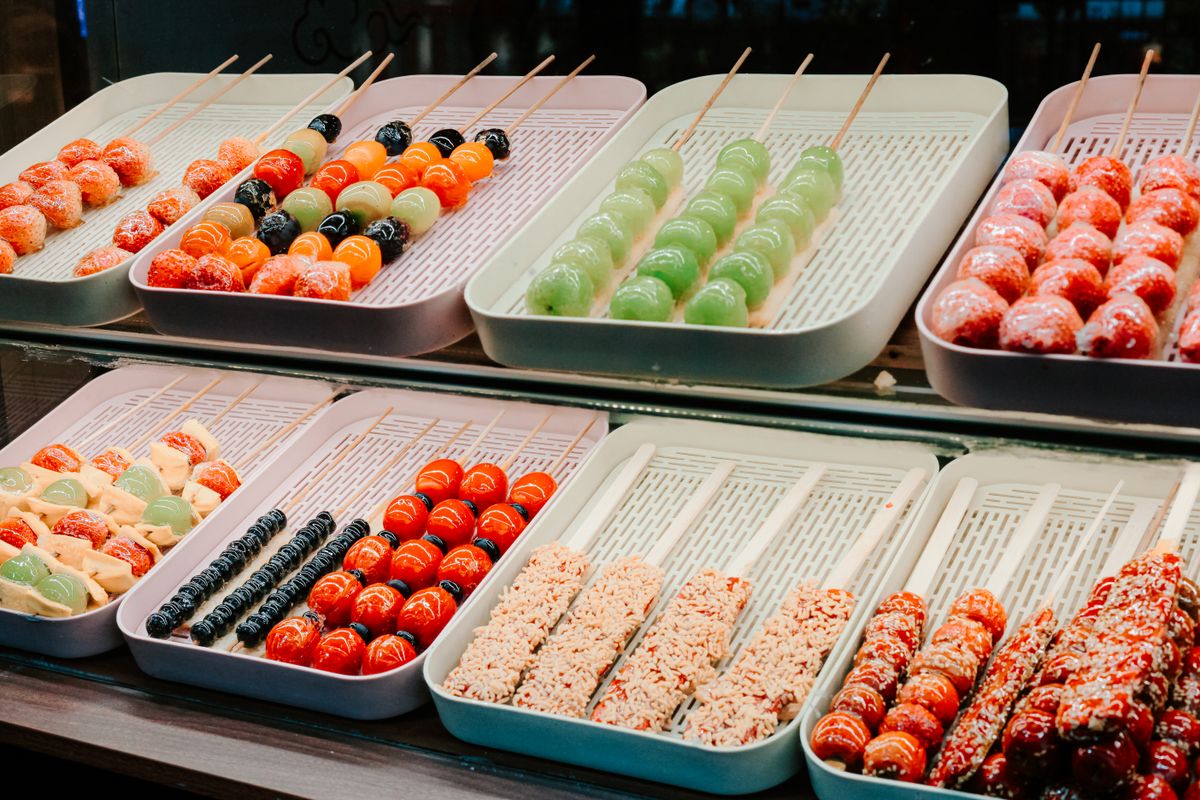
A client told me Chinese night markets beat Michelin restaurants. I didn't argue.\n\nXi'an's Muslim Quarter at 8pm: smoke from lamb skewers, aunties flipping jianbing, the pull of handmade noodles. 50 yuan (about $7 USD) buys dinner, dessert, and a drink. The best meal I ever had cost 12 yuan (less than $2 USD) for xiaomian in a Chongqing alley. The places without English menus are the ones you remember.\n\nI've spent 15 years exploring China's food scene—from street stalls to high-end dining—and here's what I tell first-time visitors: skip the reservations on Trip.com or Booking.com for fancy restaurants your first few nights. Instead, head to a night market.\n\n**Why night markets win:**\n- **Price:** A full feast for $5-10 USD (¥35-70) vs. $100+ at a Michelin-star spot\n- **Variety:** Try 10+ dishes in one evening—lamb skewers, spicy tofu, candied hawthorn, hand-pulled noodles\n- **Authenticity:** No English menus, no tourists, just locals and their grandmas' recipes\n\n**My top night market picks for first-timers:**\n- **Xi'an Muslim Quarter** – Best for lamb skewers and yangrou paomo (bread in lamb soup). Book a flight into Xi'an Xianyang International Airport (XIY) from London, San Francisco, or Sydney.\n- **Chongqing Jiefangbei Night Market** – For the legendary xiaomian noodles. Fly into Chongqing Jiangbei International Airport (CKG) direct from Tokyo or via Shanghai.\n- **Chengdu Jinli Ancient Street** – Mapo tofu and dan dan noodles. Easy stop after a flight from LA or Amsterdam into Chengdu Tianfu (TFU).\n- **Shanghai Yunnan Road Night Market** – Xiaolongbao and shengjianbao. Fly into Shanghai Pudong (PVG) from New York, Paris, or Melbourne.\n\n**Pro tips from a mom of two:**\n- Bring cash (small bills). Most stalls don't take cards or Alipay for first-timers.\n- Point at what others are eating. \"That, please\" works everywhere.\n- Go around 7-8pm for the freshest food and best energy.\n- Share plates—my kids love the skewers and fried dumplings.\n\nOne night in Xi'an, I spent ¥12 ($1.70 USD) on a bowl of spicy hand-pulled noodles from a grandma who didn't speak a word of English. She smiled, pointed at the chili oil, and gave me extra. That meal is still the best I've had in China—and I've eaten at three-Michelin-star restaurants in Shanghai.\n\nSo yeah, when my client said night markets beat Michelin, I just nodded. And then I booked her a flight on Google Flights to Xi'an.\n\n*Ready to eat your way through China? Start with a night market. Your taste buds—and wallet—will thank you.*

Jul 140