5 posts · Curated China travel tips
A German client's first Chinese foot massage: "This is supposed to be relaxing?" Ten minutes later he was snoring. Chinese foot massage is precise, firm, based on reflexology. It hurts in the right places. 80–150 RMB (about $11–$21 USD) for 60–90 minutes. I send every client. The ones who go on day 2 always go back. "Best 120 RMB ($17) I ever spent." I remember booking my first foot massage through Trip.com during a layover in Guangzhou—the place was packed with locals, not a tourist in sight. The therapist pressed into a spot on my arch that made me yelp, but by the end, I felt like I'd slept for a week. That's the thing about Chinese foot massage: it's not a gentle spa rubdown. It's a targeted, often intense therapy that works out tension you didn't know you had. For first-timers, I recommend booking through Dianping or just walking into a reputable chain like Golden Foot or Longfor. Prices range from $11–$21 for a full session, and you'll often get tea and snacks included. Don't be shy about asking for lighter pressure if it's too much—but give it five minutes. The payoff is worth it. I've sent dozens of first-time visitors to China to these places. The skeptics—like my German friend—always come back converted. One American couple booked a second session on Booking.com before their first was even over. Another traveler from the UK told me, "It's the best $15 I've spent since landing." A few tips for your first visit: - Go with an open mind. It's not a Swedish massage. - Drink lots of water afterward (they'll usually offer you hot tea). - If you're flying into Beijing, Shanghai, or Guangzhou, you'll find top-notch foot massage spots within walking distance of most hotels. - Check Google Maps or Trip.com for reviews with photos—look for places that are busy with locals. So yes, it might hurt in the moment. But that's how you know it's working. And ten minutes in, you'll be snoring too.
The most Chinese thing I do every morning costs nothing. I wake up, open my windows, and stand there for 2 minutes. No phone. No agenda. My grandmother taught me this when I was 8: "Let the fresh air wake your qi." I have done it for 20 years. My clients notice: "You never reach for your phone first thing." That is not discipline. It is just how I was raised.
You can spot the regulars in any Chinese park before 7 AM. The lady with the fan doing tai chi under the same tree — same spot every morning for ten years. The old man writing calligraphy with a sponge on the pavement, disappearing characters before your eyes. The group doing slow-motion badminton without a net. This is 养生 (yangsheng) — nurturing life. It's not a diet or a workout routine. It's a whole philosophy woven into daily habits. My aunt in Shanghai starts every day with a thermos of goji berry tea. My neighbor in her 70s does qigong on her balcony before sunrise. When I asked her why, she said: "I'm not exercising. I'm moving energy." I tell my western clients: if you want to understand China, skip a museum and go to a park at dawn. You'll see more about how Chinese people actually think about health, aging, and happiness in one morning than in a dozen history books. And honestly? After 15 years here, I think they're onto something.
A Canadian guest asked me today why Chinese people always drink hot water. I laughed — I tell my own kids the same thing. In Chinese medicine, cold drinks shock your system. Hot water aids circulation and recovery. And when it is humid and sticky in Shanghai summers? Red bean soup is the traditional fix. You do not need to believe in TCM to feel the difference. My guests are always surprised how good they feel after a week of eating and living this way.
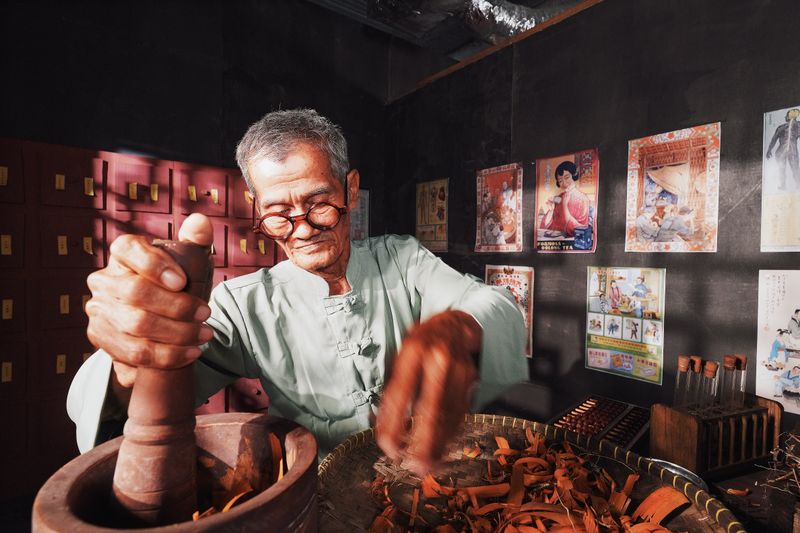
Acupuncture, cupping, herbal medicine, tuina massage — a complete guide to experiencing TCM on your China trip, from a true believer.